

Just Added: 2026 NASAA IAR CE Courses
Key Features
1.
Engaging Delivery
No talking heads. No Zoom fatigue. Every Executive Summary video is a high-production value, animated 3-minute segment, designed to grab attention and simplify complex topics. Core and Advanced Curriculum videos deliver deeper learning in short, structured segments (~approx. 5-mintues) that support modular, time-efficient learning for the busy professional.

Excerpt from: “Why Do Private Markets Outperform”

Excerpt from: “Venture Capital & Growth”

Excerpt from: “Practice Management Issues”

Excerpt from: “All About Fees”
2.
Competitive Advantage
Transform advisor education into a business development asset. The platform is fully white-labelable, featuring your logo, colors, and custom messaging, while operating in a secure, non-public environment (no public-facing competitive sites). It’s a scalable training tool for advisors, but also a brand-building recruitment tool for clients and talent.

3.
Broad and Deep, With Flexible Paths
The Executive Summary series includes 25+ foundational topics that provide a visually powerful and complete overview of private markets and alternative investments… in just two hours. Each topic is then paired with hours of deeper Core and Advanced Curriculum, currently totaling 20+ hours of CE-eligible education, and scheduled to grow to more than 40+ hours of total content by 2026. Users can choose to do full courses, or just focus on their areas of interest.

4.
A Practical Perspective
Many years of working with advisors on alternatives gives us a unique, practice management focus on the topic. We understand how alternatives fit into advisor businesses and client communications, and how to use them as an engine of growth. So although our program is University-backed and aligned with top tier credentialling organizations, it isn’t pedantic.
5.
CE Simplified
We offer a comprehensive approach to CE, and a one-stop solution for annual NASAA® IAR CE compliance (including six hours of product knowledge and six hours of ethics and professional responsibility). All content on the site is also eligible for CFP® and IWI® credits, and our courses are aligned for self-reporting to CFA® and IMDDA®. A digital badge or Certificate from Florida State University is also forthcoming to validate your team’s commitment to fiduciary-aligned education in alternatives and private markets.
“Our advisors were genuinely grateful for this wonderfully engaging and useful educational experience.”

Patrick J. Bowen
President, One Capital Management
Introduction to Private Mаrkets

1. Why Private Assets?

2. Why Do Private Markets Outperform?

3. Introduction to Private Equity

4. Buyouts

5. Venture Capital & Growth

6. Private Credit

7. Alternative Yield

8. Private Real Assets & Infrastructure

9. What You Can Really Learn From Institutional Investors
Stages and Structures

10. Practice Management and PM Products

11. “Drawdown” vs. “Evergreen” Funds

12. Interval and Tender Offer Funds

13. BDCs and REITs

14. Feeder Funds and FF Platforms

15. Cost Efficient Private Portfolios

16. Secondaries

17. Co-investments
Choosing and Implementing

18. All About Fees Part 1: Private Fund Fees

19. All About Fees Part 2: Evergreen Fund Fees

20. Private Asset Valuation

21. Integration with Liquid Portfolios

22. Illiquidity Budgeting

23. Private Markets Portfolio Construction

24. Summary
Introduction to Private Mаrkets
Module 1. Why Private Assets?
Executive Summary (04:37)
- A History of Alternative Investing (04:19)
- The Structural Appeal of Private Markets
- Private Assets in a Portfolio Context
- Investor Demand & Industry Growth
Module 2. Why Do Private Markets Outperform?
Executive Summary (04:10)
- Structural Inefficiencies and the Illiquidity Premium
- Active Management and Value Creation
- Selection Effects and Dispersion of Returns
Module 3. Introduction to Private Equity

Executive Summary (04:05)
- Intro to Private Equity (04:08)
- Overview of PE Firms and Funds (03:36)
- Managing PE Investment Programs (04:12)
- Subscription Lines in PE (02:55)
- The LP and GP Relationship Lifecycle (02:53)
- Publicly Traded Private Equity GPs (02:50)
- Exit Strategies: IPOs & Direct Listings (03:41)
- Exit Strategies: SPACs (03:17)
Module 4. Buyouts
Executive Summary (03:53)
- Overview of Buyouts
- Buyout strategies
- Buyout Fund Characteristics
- Leveraged Buyouts
- Private Investments in Public Equity
- Private Equity Liquid Alts
- Long-Hold Buyout Funds
Module 5. Venture Capital & Growth
Executive Summary (04:10)
- VC Overview
- Stages of VC
- VC Risk and Returns
- VC Return Research
- VC Valuations
- VC Financing Decisions
- VC Securities
- Dynamics of Venture Opportunities
- Growth Equity
Module 6. Private Credit
Executive Summary (03:24)
- PC Strategies
- Credit Risk Analysis & Bankruptcy Process
- Bonds and Loans
- Direct Lending
- Mezzanine Debt
- Advanced Mezzanine Debt
- Venture Debt
- Distressed Debt
- Asset Based Lending
- Risks of Asset Based Loans
- Asset Backed Securities
- MBS
- Residential Mortgages
Module 7. Alternative Yield
Executive Summary (03:48)
- IP Overview
- Cash Flows of IP
- Visual Works of Art
- R&D and Patents as Unbundled IP
- Cat Bonds
- Trigger Types of Cat Bonds
- Cat Bond Valuation, Performance, Drawbacks
- Longevity & Mortality Risk-Related Products
- Life Insurance Settlements
- Overview of Viatical Settlements
Module 8. Private Real Assets & Infrastructure
Executive Summary (03:52)
- Infrastructure Overview (04:46)
- Infrastructure Classifications (04:03)
- Investing in Infrastructure (04:42)
- Opportunities and Risk in Infrastructure (03:53)
- Natural Resources other than land
- Land
- Timber and Timberland
- Farmland
- Investing in Commodities without Futures
- Commodity Exposure & Diversification
- Commodity Producers
- MLPs
- Categories of Real Estate
- Commercial Real Estate
- Real Estate Investment Styles
- Introduction to Sectors: Office
- Introduction to Sectors: Industrial & Retail
- Introduction to Sectors: Multifamily & Other
- Commercial Mortgages
Module 9. What You Can Really Learn From Institutional Investors
Executive Summary (03:31)
- The Endowment Model and Total Portfolio Thinking
- Risk, Return, and the Role of Private Markets
- Governance, Discipline, and Decision-Making Frameworks
- Manager Access, Due Diligence, and Negotiation
Stages and Structures
Module 10. Practice Management and PM Products
Executive Summary (04:25)
- Integrating Private Markets into Advisory Models
- Product Platforms and Sourcing Solutions
- Internal Training, Oversight, and Staff Enablement
- Communicating Value & Differentiation Through Private Markets
Module 11. “Drawdown” vs. “Evergreen” Funds
Executive Summary (03:58)
- Drawdown Fund Mechanics (Private Equity Style)
- Evergreen Fund Structures and Innovations
- Liquidity, Access, and Operational Trade-Offs
- Portfolio Construction and Behavioral Considerations
Module 12. Interval and Tender Offer Funds
Executive Summary (04:47)
- Fund Structure and Mechanics
- Liquidity, Gating, and Redemption Considerations
- Use Cases and Product Mapping
- Operational and Compliance Oversight
Module 13. BDCs and REITs
Executive Summary (04:39)
- What Are BDCs and REITs? Regulatory Foundations and Structure
- Public vs. Private: Access, Transparency, and Liquidity
- Income Generation and Portfolio Role
- Risks, Fees, and Advisor Due Diligence
Module 14. Feeder Funds and FF Platforms
Executive Summary (04:38)
- What Are Feeder Funds? Structure, Purpose, and Flow
- Fund Platform Architecture and Advisor Experience
- Benefits and Trade-Offs of Platform-Based Access
- Due Diligence on Platforms and Feeder Offerings
Module 15. Cost Efficient Private Portfolios
Executive Summary (04:16)
- The Private Market Fund Lifecycle
- Capital Commitment, Calls, and Distributions
- Fund Economics and Incentive Structures
- Roles and Responsibilities of Key Stakeholders
Module 16. Secondaries
Executive Summary (04:13)
- What Are Secondaries and How Do They Work?
- Why Secondaries Are Strategic, Not Just Reactive
- Risks, Pricing Dynamics, and Market Behavior
- Accessing Secondaries and Implementation Considerations
Module 17. Co-investments
Executive Summary (04:29)
- What Are Co-Investments and Why Do They Exist?
- Benefits for Investors: Cost, Customization, and Control
- Risks, Resource Demands, and GP-LP Dynamics
- Access, Implementation, and Portfolio Role
Choosing and Implementing
Module 18 Part 1. All About Fees: Private Fund Fees
Executive Summary (forthcoming)
- Understanding the Fee Stack in Private Investments
- Carried Interest and Hurdle Rates
- Fee Transparency, Complexity, and Red Flags
- Net-of-Fee Performance: Evaluating the Real Impact
Module 19 Part 2. All About Fees: Evergreen Fund Fees
Executive Summary (forthcoming)
- Understanding the Fee Stack in Private Investments
- Carried Interest and Hurdle Rates
- Fee Transparency, Complexity, and Red Flags
- Net-of-Fee Performance: Evaluating the Real Impact
Module 20. Private Asset Valuation

Executive Summary (forthcoming)
- Why Valuation Is Different in Private Markets
- Common Valuation Methodologies
- Implications for Reporting, Monitoring, and Performance
- Valuation Risk and Due Diligence Considerations
Module 21. Diligence Fundamentals

Executive Summary (forthcoming)
- Selection of a Fund Manager
- Manager Selection Process
- Screening with Fundamental Questions
- Historical Performance Review
- Manager Selection & Deal Sourcing
- Fund Culture
- Cases in Tail Risk
- Overview of IDD
- Investment Strategy or Mandate
- Investment Implementation Process and Risks
- Asset Custody and Valuation
- Portfolio Risk Review
- ODD
- DD of Terms and Business Activities
Module 22. Illiquidity Budgeting
Executive Summary (forthcoming)
- What Is an Illiquidity Budget and Why It Matters
- Setting Illiquidity Parameters by Client Type
- Portfolio Modeling and Liquidity Tiers
- Managing Liquidity Events and Market Stress Scenarios
Module 23. Private Markets Portfolio Construction
Executive Summary (04:39)
- Strategic Role of Private Markets in a Diversified Portfolio
- Allocation Approaches and Model Design
- Diversification Within Private Markets
- Implementation Timelines, Monitoring, and Rebalancing
Module 24. Integration with Liquid Portfolios
Executive Summary (forthcoming)
- Coordinating Public and Private Exposures
- Managing Liquidity Tiers Across the Total Portfolio
- Performance Measurement and Benchmarking Challenges
- Behavioral and Communication Considerations
Module 25. Private Assets in Retirement Plans

Executive Summary (forthcoming)
- Regulatory Landscape and Recent Developments
- Use Cases and Access Vehicles
- Liquidity, Valuation, and Fiduciary Oversight
- Opportunities and Limitations for Advisors
 |  |
 |  |
 |
All educational content on this site is eligible for CE credit for NASAA IAR CE compliance, as well as for CFP and IWI purposes (at the rate of one CE credit hour per 50 minutes of content). Courses are also aligned for self-reporting to CFA, and IMDDA.
In addition, the content below is eligible for CE credits towards NASAA’s Ethics and Professional Responsibility requirements. As a result, participants may fully satisfy all NASAA requirements for a given year through satisfactory completion of coursework on this site.
Please click here to enroll or for further details.
Private Markets Investments: Fiduciary Considerations
Module 1. In Client Communications

Executive Summary (forthcoming)
- How private assets differ from public investments
- The various kinds of fees borne by investors in private markets products
- The tradeoff of current fees vs. long-term outcomes
- Private valuations and performance reporting
Module 2. In Product Selection

Executive Summary (forthcoming)
- The potential for sponsor self-dealing in PM investments
- “KYF” (Know your fees)
- The novel fees of private investments (including catchup, clawbacks, etc.)
- How fees differ by product structure
- Why and how the risk/return characteristics of different assets differ
Module 3. In Portfolio Construction

Executive Summary (forthcoming)
- Evaluating client illiquidity preferences
- Incorporating private assets into liquid portfolios
- Rebalancing considerations
- The 7 Dimensions of Diversification in Private Assets
Module 4. Performing Due Diligence for Private Assets Investing

Executive Summary (forthcoming)
- What to Look for in Regulated Funds
- What to Look for in Feeder Funds
- What to Look for in Direct and Co-Investments
Module 5. Other Considerations

Executive Summary (forthcoming)
- Allocating limited capacity private opportunities across clients
- Fiduciary and Ethical Considerations regarding firm-sponsored private markets funds
Team
Bob Rice
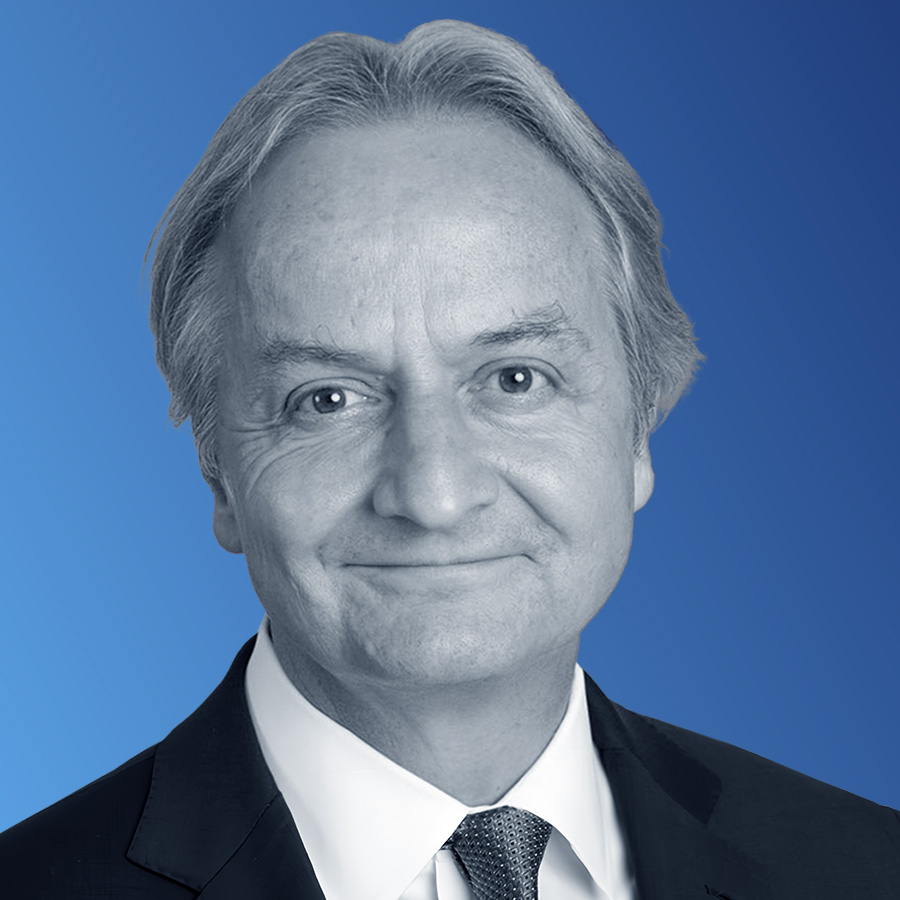
Bob has been the financial industry’s most recognized educator about private markets investments for individuals since 2013, when he wrote the best-seller “The Alternative Answer” and became the daily on-air Alternatives Editor for Bloomberg TV. Today he keynotes events for thousands of FAs each year; is the Lead Expert for IWI’s new Private Markets Certificate Course; and teaches the subject as an adjunct Professor of Law at FSU. His other current roles include being: the managing partner of Tangent Capital, a broker-dealer specializing in private investments; a Senior Advisor for Macquarie Asset Management and for Wilshire Associates; an Advsior to Nasdaq Fund Secondaries; a Director of the Value Line funds’ investment manager; and a consultant to several Wall Street institutions on product design and distribution. He also serves on the investment committee of the FSU Foundation. Bob’s unique perspectives derive from an exceptionally diverse career. He was a trial lawyer for the US Department of Justice and then a partner with the global law firm Milbank. From there the became a tech entrepreneur and the CEO of the public company that acquired his startup. He then returned to Wall Street as a venture investor and banker before founding Tangent.
Kelsey Syvrud, Ph.D.

Dr. Kelsey Syvrud is a finance professor at FSU and the Director of Investments for a family office. She teaches graduate students — and financial advisors — how to use academic theory in hands-on portfolio construction and manager selection across public and private assets. At FSU, Dr. Kelsey Syvrud developed a financial data analytics course for the M.S. in Finance program, designed to conduct financial analysis using the R and Python programming languages. Kelsey previously worked for Cornerstone Research, an economic consulting firm specializing in expert witness support for corporate litigation and was the Assistant Director of the BB&T Center for Free Enterprise at FSU. Recently, she has been expanding her knowledge in the area of responsible investing, having passed the CFA Institute’s Certificate in ESG Investing, and received certificates for completing the UN CC’s Introduction to Sustainable Finance and the US SIF’s Fundamentals of Sustainable and Impact Investment courses. Kelsey’s work has been published in the Journal of International Business Studies and in a chapter contained within Commodities: markets, performance, and strategies.Her research interests span international corporate finance, responsible investing, politics, law & finance, entrepreneurship, and government contract procurement.
Adrienne Yost Hart

Chief Compliance Officer Adrienne Hart brings a wealth of experience in the capital markets to her role as a financial services executive. Her 35 year career has included senior positions in investment banking, sales and trading and investment management in addition to working as a regulator. Ms. Hart is often called on by her clients, both broker-dealers and investment advisers, to manage their compliance programs as an outsourced chief compliance officer. This work includes evaluating the efficacy of compliance programs, creating more comprehensive solutions to managing compliance issues within the requirements of the current regulatory framework, providing education about compliance to team members as well as addressing regulator concerns. Over the past decade she has focused on issues related to the sales and distribution of alternative securities such as business development companies, real estate investment trusts, private offerings and index-based products. She is knowledgeable about the issues associated with managing internal and external sales teams and developing training, communications and marketing programs for these securities. Ms. Hart also assists financial services companies with projects that may focus on risk management, corporate governance practices or compliance training. These projects take the form of evaluating a compliance or corporate governance program, addressing conflict management or determining the impact of new compliance requirements on an existing program.
In connection with her work in the securities industry, Ms. Hart currently holds Series 7, 24, 27 and 63 licenses. She has also held Series 4, 53 and 65 licenses during her career. Ms. Hart received a Juris Doctor degree from Temple University’s Beasley School of Law and is an inactive member of the Pennsylvania bar.
Dmitry Paperny

For more than 20 years, Dmitry Paperny has worked at the intersection of design, storytelling, and technology. As Creative Director and Managing Partner of Cohere Studio, he leads the visual design, branding, UX, and development work the firm provides to financial institutions, private-markets platforms, venture firms, and investment advisors. Dmitry is known for his rare mix of design precision, creative problem-solving, technical fluency, and business insight. Working closely with his team, he transforms dense data, complex strategies, and nuanced industry narratives into refined, intuitive, and visually compelling digital experiences. Prior to founding Cohere Studio, Dmitry served as Creative Director at Time Inc. Interactive, where he guided digital design and content experiences for some of the world’s most influential media brands — including People, Time, InStyle, and LIFE — reaching audiences in the billions of monthly page views. His work has earned numerous industry honors, including MIN Web Designer of the Year, the Time Inc. President’s Award, MPA Entertainment and Fashion Sites of the Year, multiple Webbys, a CODiE, a Golden Eddie, and a medal from the Society of Publication Designers. As an adjunct professor at NYU’s School of Publishing, he created and taught a foundational graduate course in web design. Dmitry holds several patents across online advertising, energy storage, and virtual reality, and earned his BFA with Honors from the School of Visual Arts.